


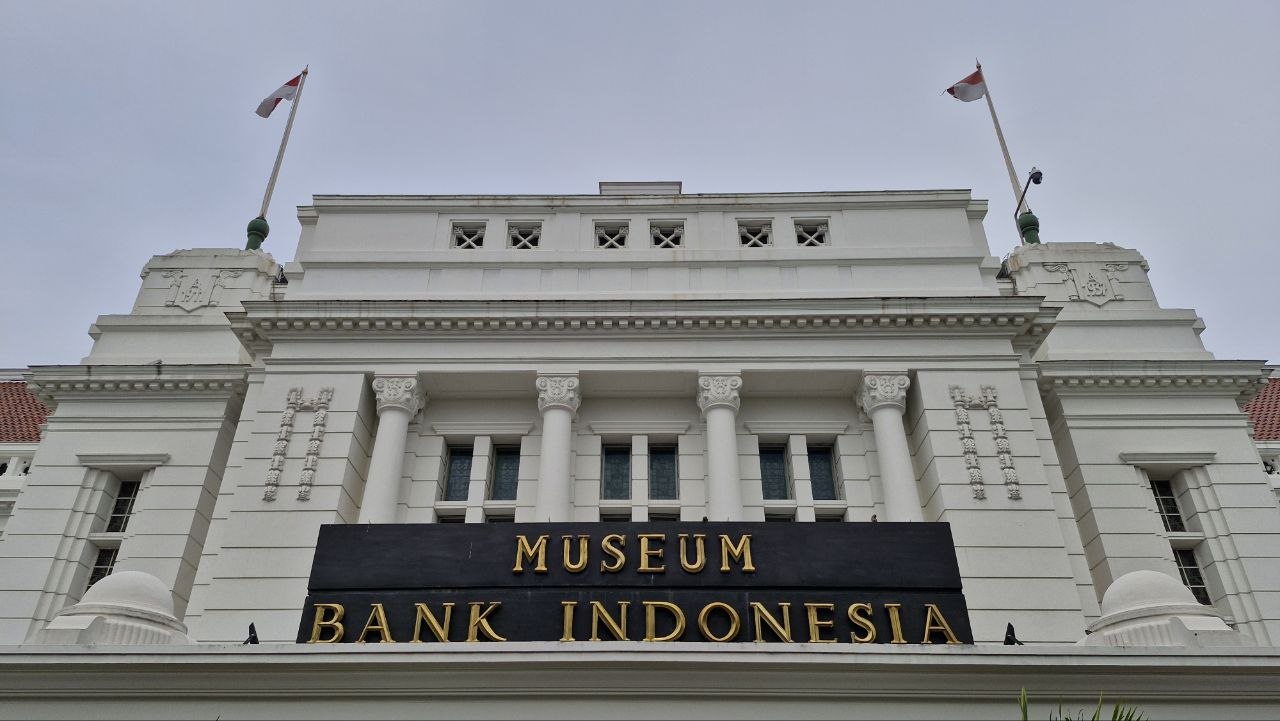
If you’re exploring Kota Tua Jakarta and wondering whether Museum Bank Indonesia is worth your time—the short answer is yes.
Surprisingly, this is one of the best museums in Jakarta, especially for international travelers who want more than just “Instagram spots.”
Located inside a beautifully restored colonial building in the heart of Old Batavia, Museum Bank Indonesia offers a fascinating journey through Indonesia’s financial history—from the spice trade era and Dutch colonial banking to the Asian financial crisis of 1998.
Even if you’re not interested in economics, the architecture alone makes this place worth visiting.
And the best part?
It’s affordable, easy to access, and can be combined with other top attractions in Kota Tua for a perfect one-day walking trip.
So, is Museum Bank Indonesia worth visiting?
As a citizen of Jakarta, I would say absolutely—and here’s why.
What Is Museum Bank Indonesia?
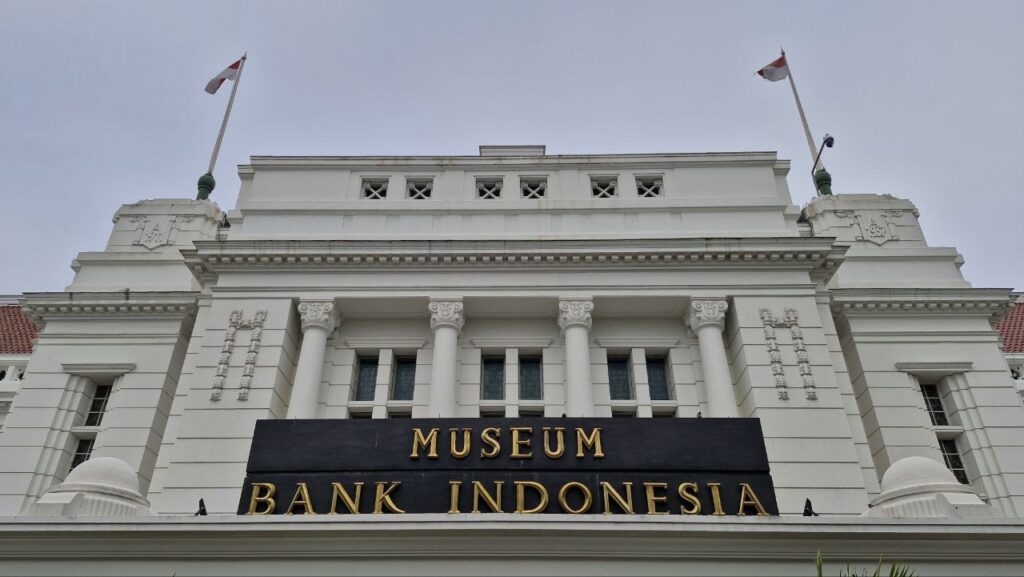
Museum Bank Indonesia is a historical and educational museum located in West Jakarta’s famous Kota Tua (Old Town). Kota Tua itself is a well-preserved square of the former Dutch governmental area.
The museum is housed inside the former headquarters of De Javasche Bank, the central bank of the Dutch East Indies, in a heritage building that has been preserved as part of Jakarta’s colonial history. Bank Indonesia Museum sits in the former De Javasche Bank building and the site is protected as a cultural heritage building.
Inside this building, we can explore:
– the history of money in Indonesia
– old banknotes and coins
– colonial trade systems
– the rise of Indonesian banking
– the 1997–1998 Asian financial crisis
– the evolution of Bank Indonesia as the nation’s central bank
Unlike many traditional museums, this one uses interactive displays, multimedia exhibits, and immersive storytelling that make the experience much more engaging. As an avid museum goer, I like this museum a lot. They made it so neatly that we could really experience this country’s monetary journey. Even for me, who is not a big fan of financial history.
Even Lonely Planet highlights it as one of Jakarta’s top museum experiences because of its well-presented exhibits and restored neoclassical building. So, basically, it is a great museum. Plus, it is well air-conditioned, which can be a brisk escape from Jakarta’s scorching heat.
Why Travelers (and Some Locals) Love This Museum?
Many travelers (and my fellow Indonesians) skip museums in Jakarta because they assume they’ll be boring.
This one is different. I must say, this is my favorite museum in Kota Tua area. Okay, Museum Jakarta (or known as Museum Fatahillah) has the fame, but this one is truly a (not so) hidden gem!
Museum Bank Indonesia feels modern, spacious, and surprisingly immersive.
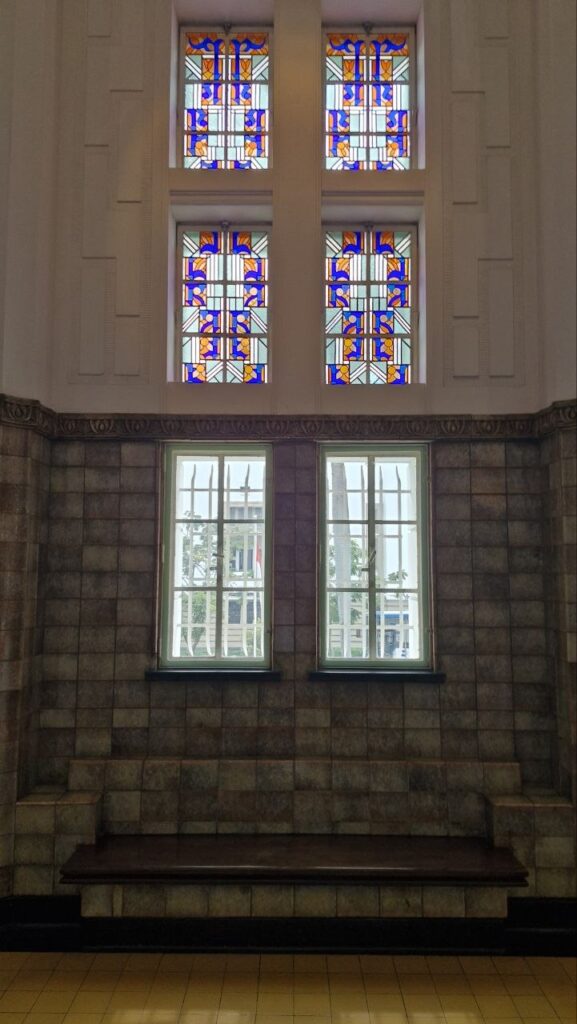
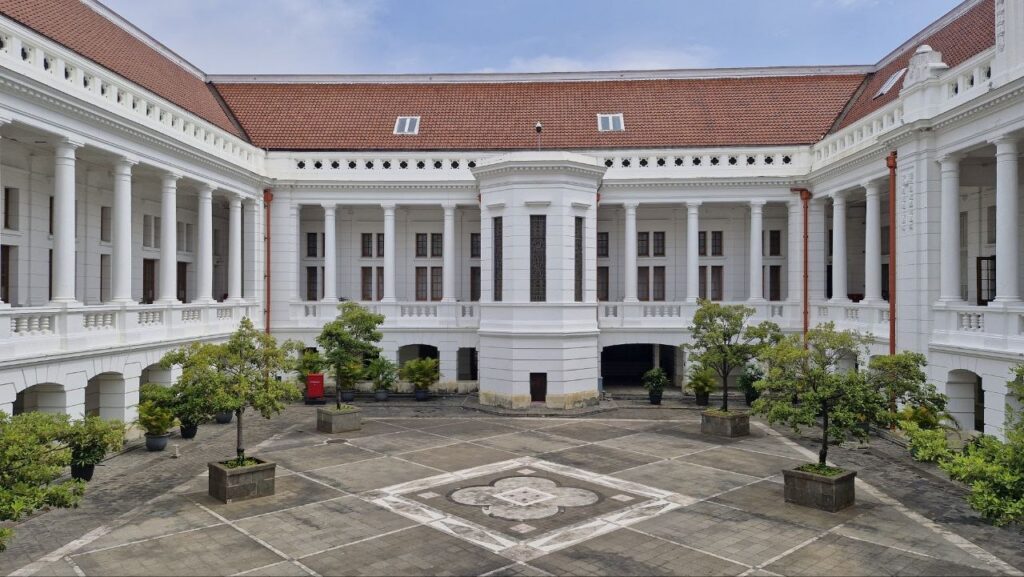
The building itself is stunning—high ceilings, grand halls, marble floors, colonial architecture, and elegant old-world design. Thanks to the Dutch colonial architecture.
It doesn’t feel like a “small local museum.”
It feels like stepping into a historical European financial institution in Southeast Asia.
For international visitors, it also helps explain something deeper: how Indonesia evolved economically from colonial rule to independence and modern nationhood.
That context makes your Jakarta trip much more meaningful.
Museum Bank Indonesia Opening Hours
As per 2026, this museum operates:
Tuesday–Friday: 8:00 AM – 3:30 PM
Saturday–Sunday: 8:00 AM – 4:00 PM
Monday: Closed
Typically, most visitors spend around 1-2 hours here. It won’t take a whole day to explore it and can fit into a packed itinerary.
Hours may change during public holidays, so checking their website before your visit is highly recommended.
Museum Bank Indonesia Ticket Price
One of the best things about visiting this museum is how budget-friendly it is.
The entrance fee is usually very affordable compared to most tourist attractions in Jakarta.
That makes it an excellent stop for backpackers, students, and budget-conscious travelers.
For Indonesian, the ticket price is Rp. 5.000,- for a single entrance. Meanwhile, for foreigners, the price is Rp. 50.000,- per person. There is no need to pay for senior citizens and children under 3 years old.
For the value you get—history, architecture, air-conditioned comfort, and prime Kota Tua location—I think it simply becomes one of the best cheap attractions in Jakarta.
What to See Inside
Here are the highlights you shouldn’t miss:
1. The Grand Main Hall
This is where most visitors stop and say:
“Wow.”
The restored colonial banking hall is breathtaking.
Massive pillars, elegant counters, and old banking infrastructure make it feel like a scene from another era.
It’s also one of the best photo spots inside the museum.
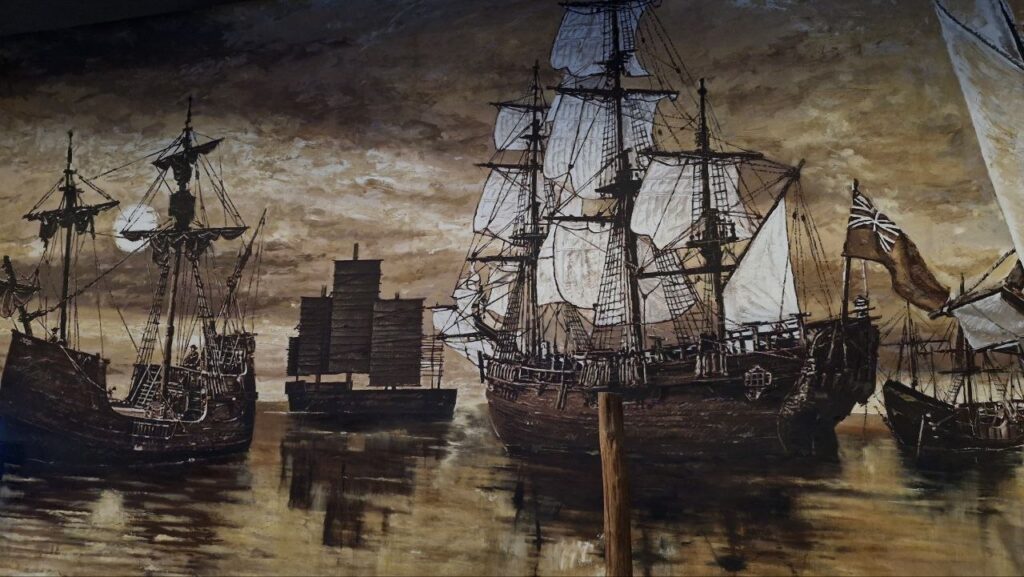
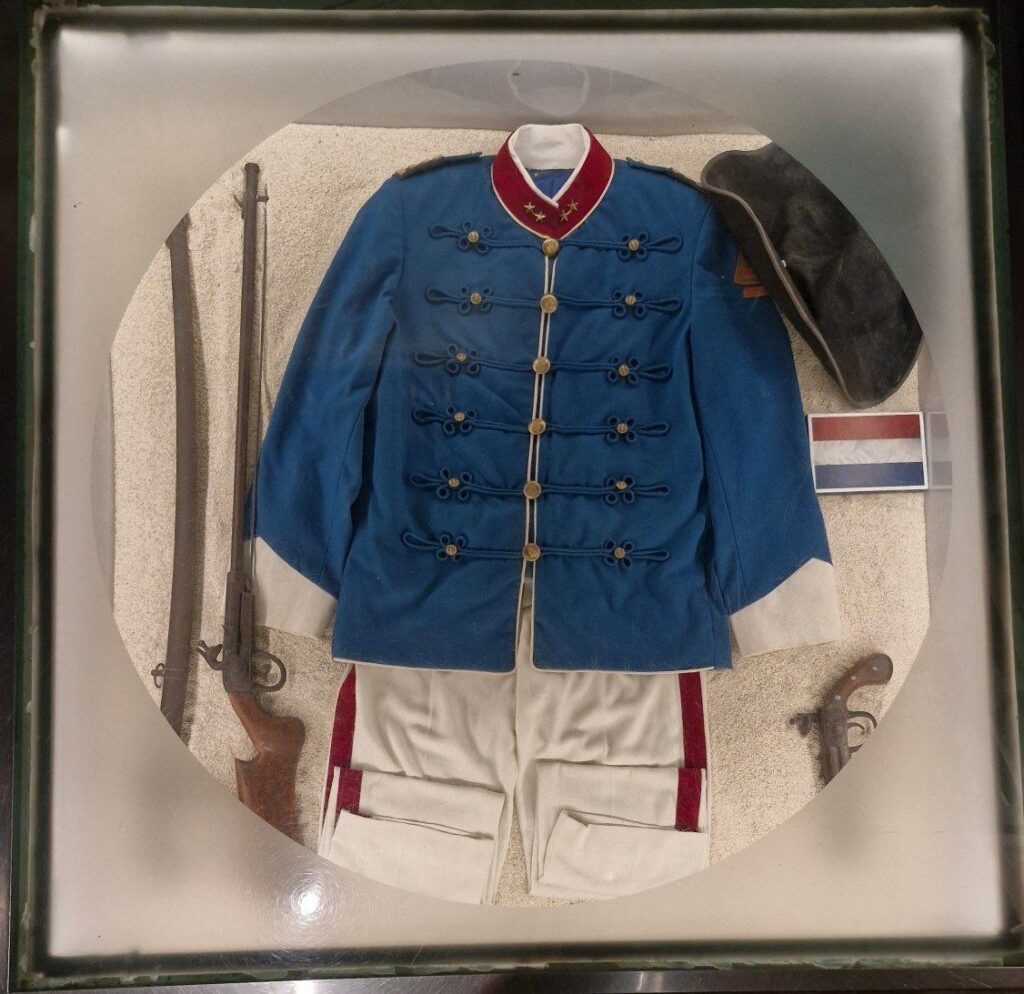
2. Currency Collection
You’ll find historical coins and banknotes from different periods of Indonesian history.
There’s even a fascinating international currency section featuring money from around the world.
This part is especially popular with foreign visitors.
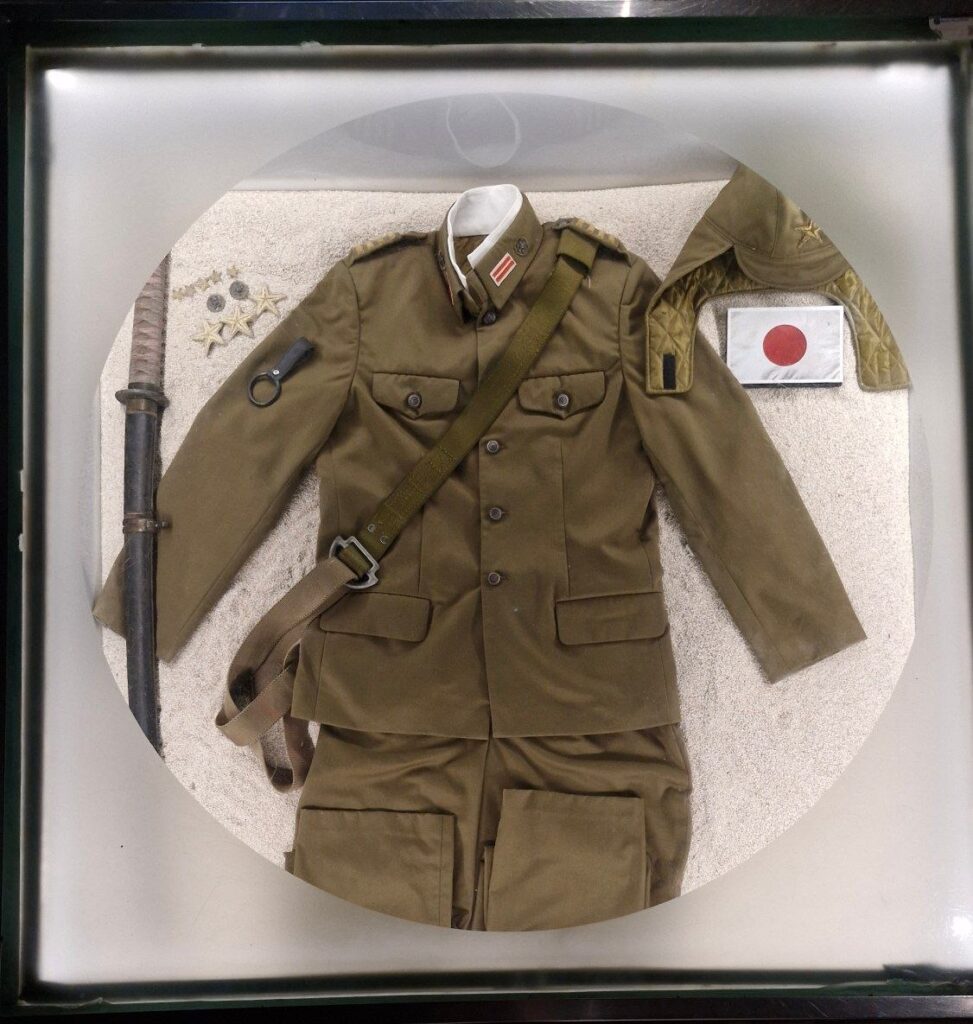
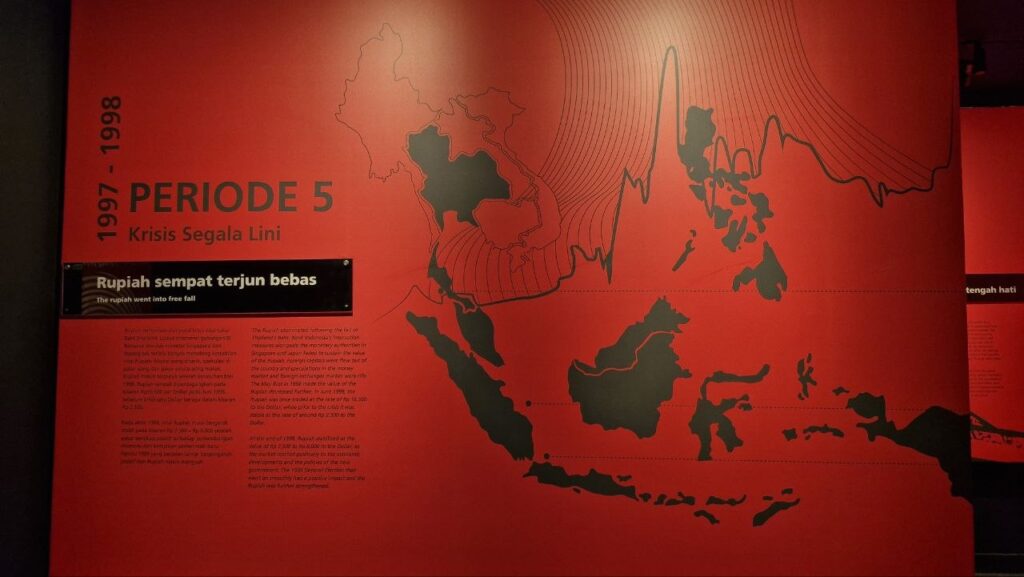
3. The 1998 Financial Crisis Exhibit
This section explains one of the most important economic events in modern Indonesian history.
Even if you know little about finance, the visual storytelling helps you understand how deeply the crisis affected the country.
It adds real perspective to Indonesia today.
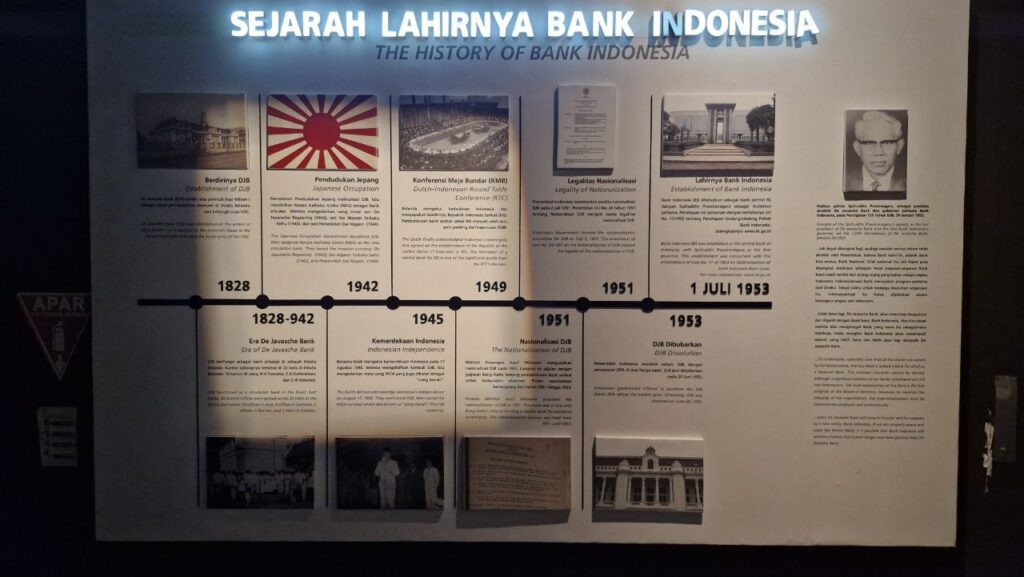
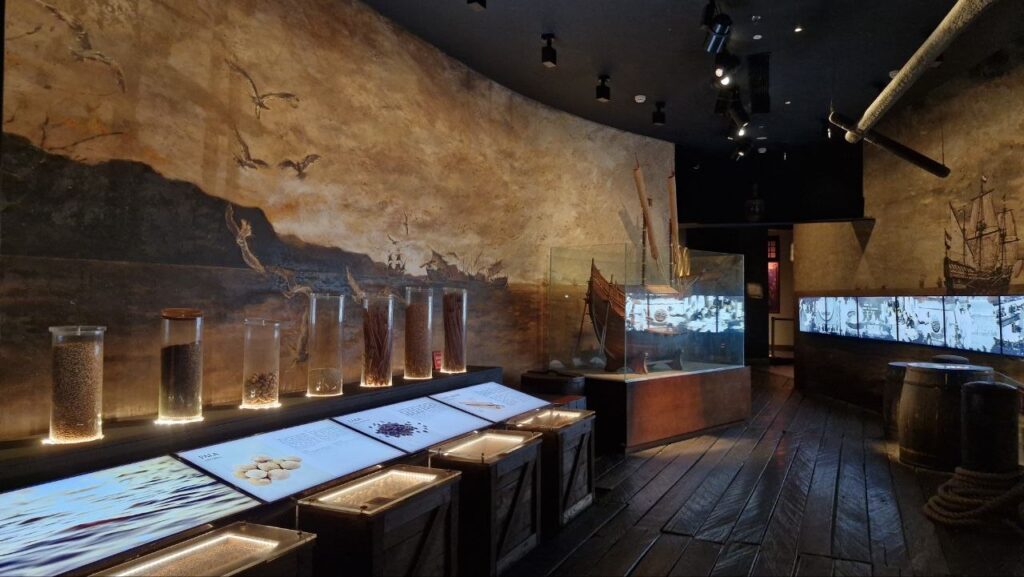
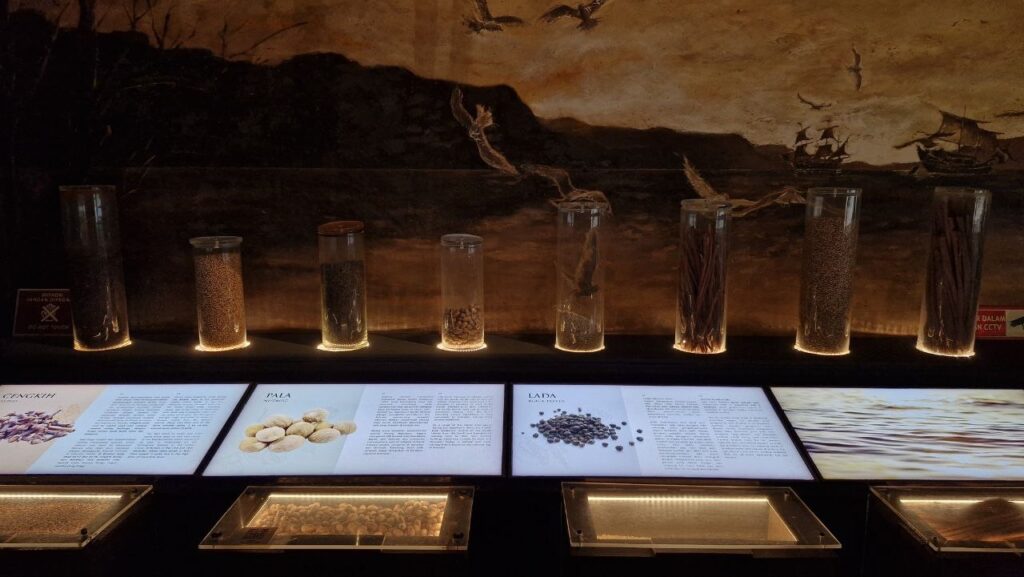
4. Interactive Digital Displays
Unlike older museums, Museum Bank Indonesia uses touchscreens, videos, and digital presentations that make learning much easier.
This helps a lot if you’re traveling with kids—or if you simply hate reading endless text panels.
Nearby Attractions You Can Visit
The best part?
This museum sits right in the center of Kota Tua, so you can easily combine it with:
- Fatahillah Square
- Jakarta History Museum
- Museum Wayang
- Cafe Batavia
- Chinatown Glodok
- Sunda Kelapa Harbor
This makes it perfect for a full-day walking itinerary. If you are keen on trying public transportation, Jakarta is a great place with its highly integrated and efficient system.
You would like to read the tips and tricks here before stepping onto one.
Honestly, if you only have one day in Old Jakarta, this should be on your list.
Is Museum Bank Indonesia Worth Visiting?
Yes—especially if you enjoy:
- history
- architecture
- museums with real substance
- hidden gems in big cities
- understanding local culture beyond shopping malls
If you’re only looking for quick selfies, maybe not.
But if you want a smarter, richer travel experience in Jakarta, this place is excellent.
It’s one of those attractions that surprises people because expectations are low—but the actual experience is far better.
That’s usually the sign of a great museum.
Final Verdict
Museum Bank Indonesia is one of Jakarta’s most underrated attractions.
It combines history, architecture, education, and culture in a way that feels genuinely memorable—not touristy.
For international readers visiting Kota Tua, it offers something rare:
A chance to understand Indonesia, not just see it.
And for that reason alone, it’s absolutely worth visiting.
If you’re planning your Jakarta itinerary, don’t skip this one.
You’ll probably leave thinking:
“Why don’t more people talk about this place?”
FAQ about Museum Bank Indonesia
1. Where is Museum Bank Indonesia located?
Museum Bank Indonesia is located in Kota Tua (Jakarta Old Town), West Jakarta, Indonesia. It sits near other famous attractions like Fatahillah Square and Jakarta History Museum, making it easy to include in a walking tour around the historic district.
2. What is Museum Bank Indonesia famous for?
Museum Bank Indonesia is famous for showcasing Indonesia’s economic and banking history, from the Dutch colonial era to modern financial systems. Visitors can explore interactive exhibits, old vaults, historical documents, and multimedia displays inside a beautifully preserved heritage building.
3. How much is the entrance ticket for Museum Bank Indonesia?
Ticket prices are usually very affordable, and in some cases, entry may be free for certain visitors or special events. It is recommended to check the latest information before visiting, as prices may change depending on management policies.
4. What are the opening hours of Museum Bank Indonesia?
Museum Bank Indonesia generally opens from Tuesday to Sunday during daytime hours and is usually closed on Mondays and public holidays. Exact opening hours may vary, so checking before your visit is recommended.
5. Is Museum Bank Indonesia worth visiting for tourists?
Yes, especially for travelers interested in history, architecture, and culture. The museum offers a different perspective of Jakarta beyond shopping malls and modern attractions, making it a great stop for international visitors exploring Kota Tua.
6. How long does it take to visit Museum Bank Indonesia?
Most visitors spend around 1 to 2 hours exploring the museum. If you enjoy reading detailed exhibits or taking photographs of the architecture, you may want to stay longer.
7. Can I take photos inside Museum Bank Indonesia?
Photography is generally allowed in many areas, especially the grand halls and exhibition spaces, but some sections might have restrictions. Always check museum rules on-site before taking photos or videos.
8. What should I combine with a visit to Museum Bank Indonesia?
Many visitors combine it with nearby attractions such as Fatahillah Square, Jakarta History Museum, Wayang Museum, and local cafés around Kota Tua for a full cultural day trip.
No responses yet