

Yogyakarta: A Bali Substitute?
As an Indonesian, Bali has long been considered the ultimate escape. However, in recent years, the Island of the Gods has been struggling with over-tourism. While tourism boosts economic growth, many argue that it has compromised the island’s authenticity. I have visited Bali several times, and honestly, I feel the island is not what it used to be. Don’t get me wrong—I still love Bali (who wouldn’t?)—but it has changed a lot. Everything changes, of course, but somehow the image of “classic” Bali feels long gone.
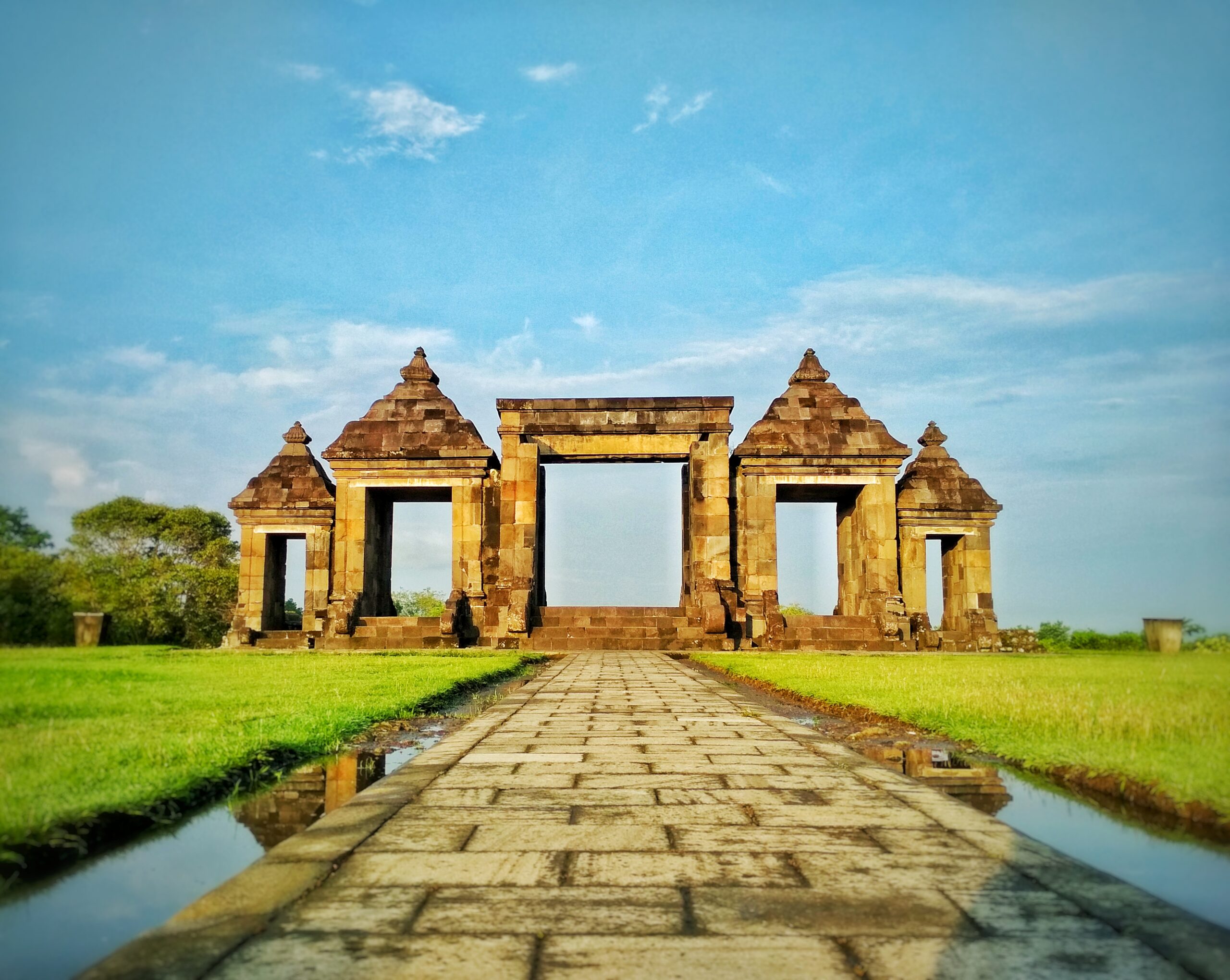
Nowadays, travelers are seeking alternative destinations that can offer the charm of Bali without the crowds. Islands like Natuna boast enchanting beaches, some even more beautiful than Bali’s, but accessibility and infrastructure remain far from Bali’s standards. Another strong contender is Yogyakarta, a province on Java’s neighboring island, famous for its magnificent temples and rich culture. But could it truly replace the overly crowded Bali?
A Glimpse of Yogyakarta
Technically, Yogyakarta is a special administrative province in Java. It has its own sultan, the Sultan of Yogyakarta, which allows it to preserve strong ties to Javanese culture, in contrast to Bali’s Hindu culture. These two cultures differ in many ways. For example, Balinese culture emphasizes hierarchy among citizens, stemming from Hindu teachings. While hierarchy exists in Javanese culture, it is less prominent.
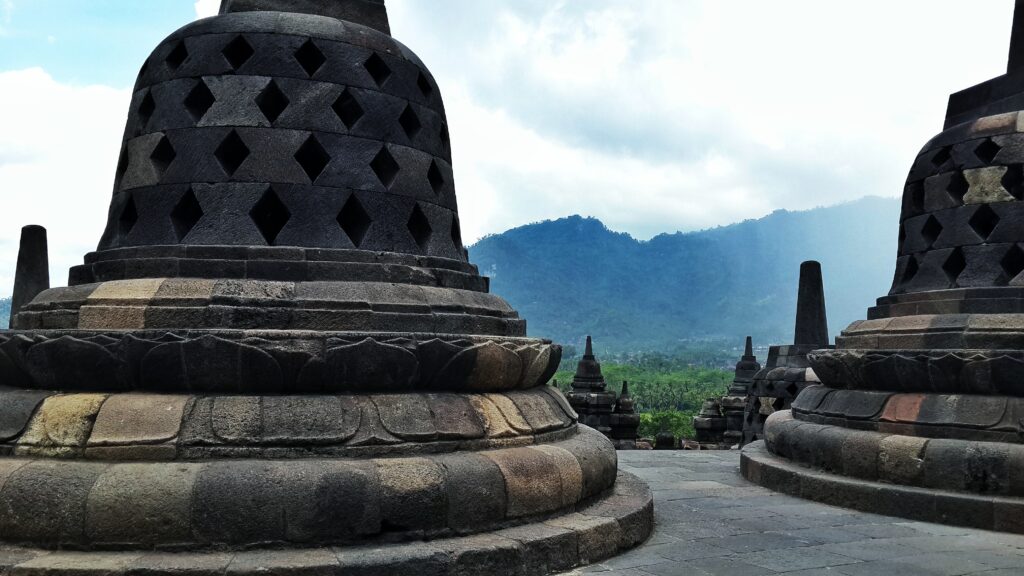
This cultural distinction is also reflected in architecture and temples. Balinese temples are largely influenced by Hinduism, while Java, including Yogyakarta, hosts both Hindu and Buddhist temples. A simple visit will reveal the differences in style, symbolism, and ritual practices.
Heritage and Batik
When it comes to heritage, the differences continue. If you’ve ever heard of batik, it originates from Javanese tradition. Each region of Java has its own style of batik—Yogyakarta and Surakarta, for example, are only 80 km apart but showcase very distinct designs. Bali also has its own batik, but its style differs significantly from Javanese batik. For heritage enthusiasts, a visit to the Batik Museum in Surakarta is highly recommended.
Culinary Differences
Traveling is hard to separate from culinary experiences, and both Yogyakarta and Bali are famous for their food. Yet, their cuisines are very different. Yogyakarta cuisine aligns with the sweeter flavor profile typical of Javanese food. A must-try dish is gudeg, a savory-sweet jackfruit stew with spices.
Balinese cuisine, on the other hand, is rich in spices and often spicy. Balinese babi guling (suckling pig) is one of the island’s most famous dishes. Many Balinese foods feature pork, while Yogyakarta cuisine is mostly halal, reflecting local dietary practices.
Conclusion
So, back to the question: can Yogyakarta replace Bali? I would argue that “complement” is a more fitting term. Both provinces offer unique experiences that the other cannot replicate. Instead of replacing Bali, Yogyakarta enhances a trip to Indonesia, providing cultural depth, heritage, and flavors that perfectly balance the tropical allure of Bali.
If you have decided to pick Yogyakarta, then why not take a look at some recommended activities here?
FAQ Section:
Q: Is Yogyakarta a good alternative to Bali?
A: Yogyakarta offers cultural richness and heritage experiences that Bali cannot, making it a perfect complement rather than a replacement for Bali.
Q: What are must-visit attractions in Yogyakarta?
A: Don’t miss Prambanan Temple, Borobudur Temple, Sultan Palace, and the Batik Museum in Surakarta.
Q: What is unique about Yogyakarta cuisine?
A: Yogyakarta cuisine is sweet and savory, with signature dishes like gudeg (jackfruit stew) and ayam goreng (fried chicken with local spices).
Q: Can I experience traditional Javanese culture in Yogyakarta?
A: Absolutely! Yogyakarta preserves royal traditions, Javanese arts, dance, and batik heritage, making it Indonesia’s cultural heart.
Q: How far is Yogyakarta from Bali?
A: Yogyakarta is on Java island, just a short flight from Bali, making it easily accessible for travelers seeking a cultural getaway.
No responses yet